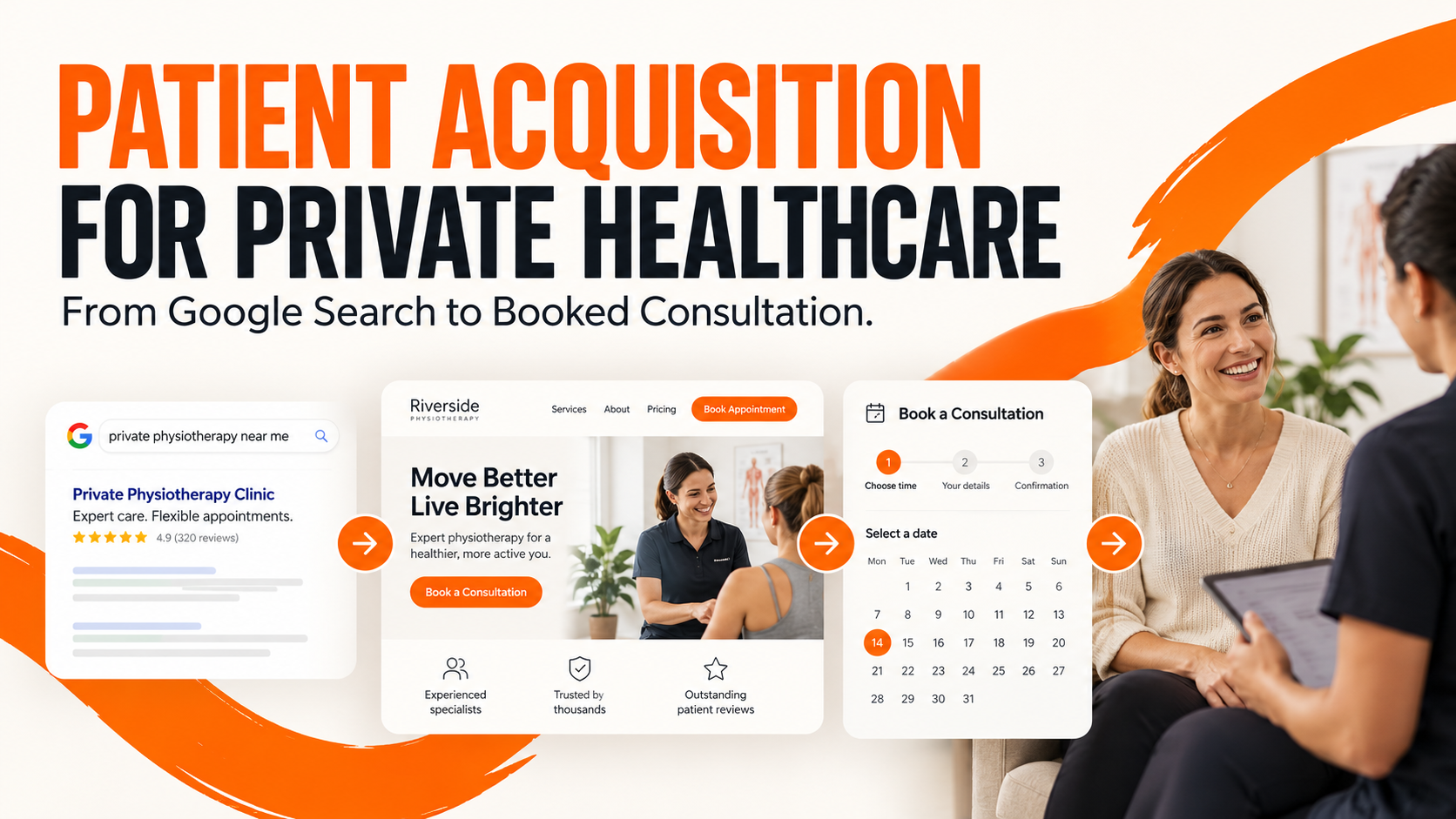
What to Avoid According to Google Policies
Advertising in the health sector is a complex and highly regulated field. When promoting health-related products or services, adhering to Google’s advertising policies is crucial to ensure compliance and avoid penalties. This blog will guide you through what to avoid when engaging in health advertising, focusing on terms and practices that could lead to non-compliance, particularly regarding prescription drugs and speculative medications.
Understanding Google’s Health Advertising Policies
Google has established strict policies for health advertising to protect users from misleading, harmful, or inappropriate content. These policies are designed to ensure that ads are accurate, safe, and reliable. Violating these guidelines can result in ad disapproval, account suspension, or even a permanent ban from Google Ads.
Prohibited Content in Health Advertising
Prescription Drugs
Google strictly regulates the advertising of prescription drugs. Ads for prescription medications are only allowed in specific countries and must comply with local laws. Here’s what to avoid:
- Unapproved Drugs: Promoting prescription drugs that are not approved by the relevant health authorities (e.g., the FDA in the US, MHRA in the UK) is prohibited.
- Prescription Requirements: Ads must not imply that prescription drugs can be obtained without a valid prescription. Avoid phrases like “no prescription needed” or “buy without a prescription.”
- Misleading Claims: Avoid making unsubstantiated claims about the efficacy or safety of prescription drugs. Ensure that all claims are backed by scientific evidence and comply with regulatory standards.
Speculative and Experimental Medications
Google’s policies also cover speculative and experimental treatments. These are treatments that are not widely accepted or proven to be effective. When advertising health products or services, it’s essential to steer clear of:
- Unverified Treatments: Avoid advertising treatments that are still in experimental stages or have not been clinically validated. This includes new drugs, experimental therapies, and unapproved medical devices.
- False Promises: Do not make promises or guarantees about the effectiveness of speculative treatments. Claims such as “miracle cure” or “guaranteed results” are likely to lead to ad disapproval.
- Misleading Terms: Refrain from using terms that imply speculative treatments are universally effective. Terms like “breakthrough” or “revolutionary” should be used cautiously and only if backed by substantial evidence.
Sensitive Content in Health Advertising
Misleading Health Claims
Health advertising must avoid misleading claims that can misinform users about the benefits or risks of a product or service. Here’s what to avoid:
- Overstating Benefits: Avoid exaggerating the benefits of a health product or service. Ensure that all claims are accurate and supported by reliable evidence.
- Understating Risks: Do not downplay the potential risks or side effects of a product. Transparency about possible adverse effects is crucial in maintaining trust and compliance.
- Unsupported Claims: Refrain from making claims that lack scientific backing. Avoid terms like “clinically proven” or “scientifically tested” unless you have verifiable proof.
Inappropriate Content
Google also restricts content that could be considered inappropriate or harmful, including:
- Graphic Images: Avoid using graphic or disturbing images in health ads. Images that depict surgical procedures, injuries, or other unsettling visuals are likely to be disapproved.
- Sensitive Topics: Be cautious when advertising products or services related to sensitive health topics, such as mental health, addiction, or sexual health. Ensure that the content is respectful, accurate, and appropriate for all audiences.
Ensuring Compliance with Google Policies
Accurate and Transparent Information
To comply with Google’s health advertising policies, ensure that your ads provide accurate and transparent information. This includes:
- Clear Disclosures: Provide clear disclosures about the nature of the product or service, including any potential risks or side effects.
- Honest Testimonials: Use honest and verifiable testimonials. Avoid using fake reviews or endorsements that could mislead users.
- Detailed Product Information: Offer detailed information about the product or service, including how it works, who it’s for, and what users can realistically expect.
Appropriate Targeting
Targeting the right audience is crucial in health advertising. Ensure that your ads are directed at individuals who can benefit from the product or service without causing harm or confusion. Avoid targeting vulnerable populations with sensitive health ads unless the content is specifically designed to help them.
Regular Policy Review
Google’s policies are subject to change, so it’s important to regularly review and stay updated on any changes. Regular policy reviews can help ensure that your health advertising remains compliant and effective.
Conclusion
Health advertising requires careful consideration and strict adherence to Google’s policies to ensure compliance and protect users. You can create effective and compliant health ads that build trust and drive results by avoiding prohibited content, misleading claims, and inappropriate targeting. For further guidance on health advertising and ensuring compliance with Google’s policies, contact us today. Our team of experts is here to help you navigate the complexities of health advertising and achieve your marketing goals.


Related Posts